
Published October 26, 2026
Buying a Condo or Townhome in Orlando: What to Check Before You Sign


For a lot of buyers, a condo or townhome is the most practical way to live close to the heart of Orlando. You can walk to Lake Eola Park on a Saturday morning, grab dinner in Thornton Park or Mills 50, and skip the yard work. But a condo purchase works differently from buying a single-family home, and Florida's condo rules have changed a lot in the last few years.
I'm Steve Montgomery with CAVU Inc. and eXp Realty. Over 12 years and more than 700 homes, I've walked plenty of buyers through condo and townhome purchases across Central Florida. Here's what I tell every one of them.
Why Condos and Townhomes Appeal to Orlando Buyers
Orlando's in-town neighborhoods are where condos and townhomes make the most sense. Downtown and the Lake Eola area have mid-rise and high-rise buildings. Thornton Park and College Park mix older condo buildings with newer townhomes on tree-lined streets near Lake Ivanhoe and Edgewater Drive. Baldwin Park, built on the former Naval Training Center, offers townhomes within walking distance of Lake Baldwin and its village center.
These homes suit first-time buyers and anyone who'd rather spend weekends at the lake than mowing a lawn. The tradeoff is that you share ownership of the building with your neighbors, so the health of the association becomes your business too.
Florida's Condo Safety Rules in Plain English
After the 2021 Surfside collapse, Florida passed new laws for condo buildings, and lawmakers updated them again in 2025. Two parts matter most to buyers.
Milestone inspections. Under Florida Statute 553.899, condo and co-op buildings that are three habitable stories or taller need a structural inspection by a licensed engineer or architect once the building reaches 30 years old, then every 10 years after that. Local officials can require it at 25 years. If the inspection finds problems, a more detailed second phase follows.
Structural integrity reserve studies (SIRS). Buildings covered by these rules also need a study of how much money the association should be saving for major structural items like the roof, load-bearing walls, plumbing and waterproofing, and the association has to fund those reserves. When reserves fall short, owners can face higher dues or special assessments.
Florida Realtors publishes a seller disclosure form that asks about the milestone inspection, the reserve study and any approved or discussed special assessments. Ask for it, and ask for the actual reports, not just a yes or no.
Five Things to Review Before You Commit
1. The inspection and reserve reports. Ask whether the building needed a milestone inspection, whether it's done, and what it recommended. Then look at the reserve study and how the association plans to fund it.
2. Recent board meeting minutes. Minutes often reveal upcoming repairs, insurance changes or assessments before they show up anywhere else.
3. The budget and dues history. Ask how dues have changed and what they cover. Some associations include water, trash, cable or building insurance, and some don't.
4. The rules. Review pet limits, parking, guest policies, rental and leasing rules, and renovation approvals. If you might rent the home out later, check this carefully.
5. Insurance. Find out what the association's master policy covers, then get a quote for your own unit (often called an HO-6 policy) before you finalize your budget. Ask your lender, too, since some loan programs have their own requirements for condo buildings.
Condo or Townhome?
A townhome where you own the roof and exterior may have a simpler association, though you'll handle more maintenance yourself. A condo usually means the association handles the exterior, but you share the cost of big repairs. It comes down to the specific building and how you want to live.
Have Your Own Agent Read the Documents With You
Condo documents can run to hundreds of pages, and a buyer's agent can point you to the sections that matter. Florida law also gives condo buyers a short review period after they receive the association documents, so read your contract carefully and keep track of that deadline.
Start Your Orlando Search
Browse current Orlando homes for sale, including condos and townhomes, then reach out when a building catches your eye. I'll help you dig into the documents before you commit.
FAQ: Buying a Condo or Townhome in Orlando
Does every Orlando condo need a milestone inspection? No. Florida's milestone inspection rule applies to condo and co-op buildings that are three habitable stories or taller, starting when the building reaches 30 years old (or 25 if local officials require it), then every 10 years. Many low-rise buildings and townhomes aren't covered, so ask the association which rules apply to that building.
What is a structural integrity reserve study? It's a study of how much a condo association should save for major structural items such as the roof, load-bearing walls, plumbing and waterproofing. Florida requires covered associations to complete one and fund those reserves, which affects dues and the chance of special assessments.
What should I ask before buying a condo in Orlando? Ask for the milestone inspection and reserve study if the building needs them, the current budget, recent board meeting minutes, the rules on pets, parking and rentals, and details on the master insurance policy. Ask whether any special assessments have been approved or discussed.
Let's find your place in Orlando. Call or text Steve Montgomery at (407) 680-4914, or visit cavuinc.co. CAVU Inc. | eXp Realty · 9145 Narcoossee Rd, Ste 206, Orlando, FL 32827
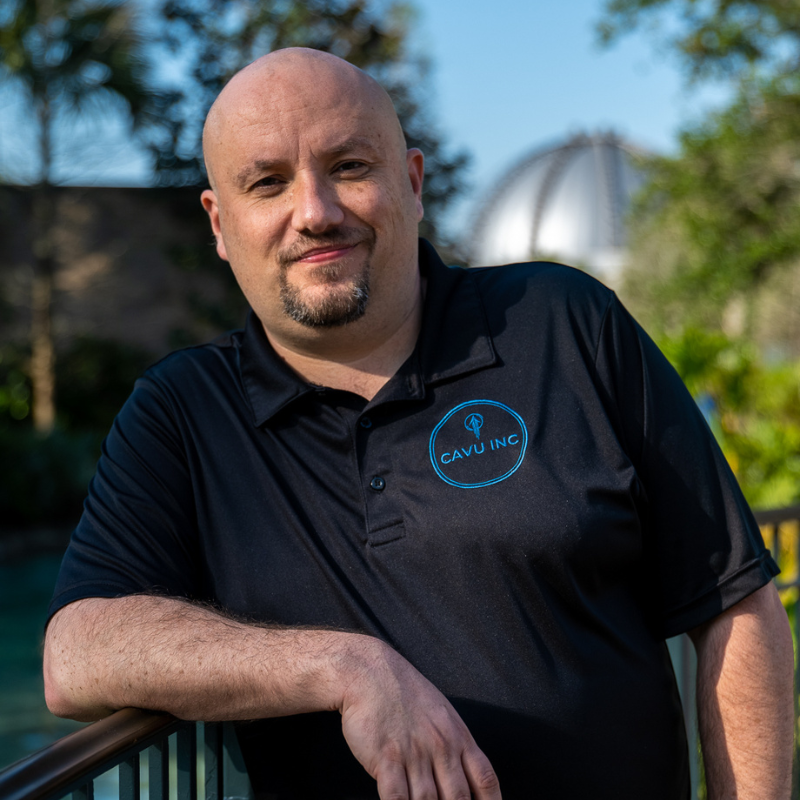
Steve Montgomery
| Cavu | eXp Realty
or another way